






















Two baseball greats shared powerful firsthand experiences of perseverance as part of a discussion panel about the history and impact of the Negro Leagues held in the Shea Theatre on Oct. 21.
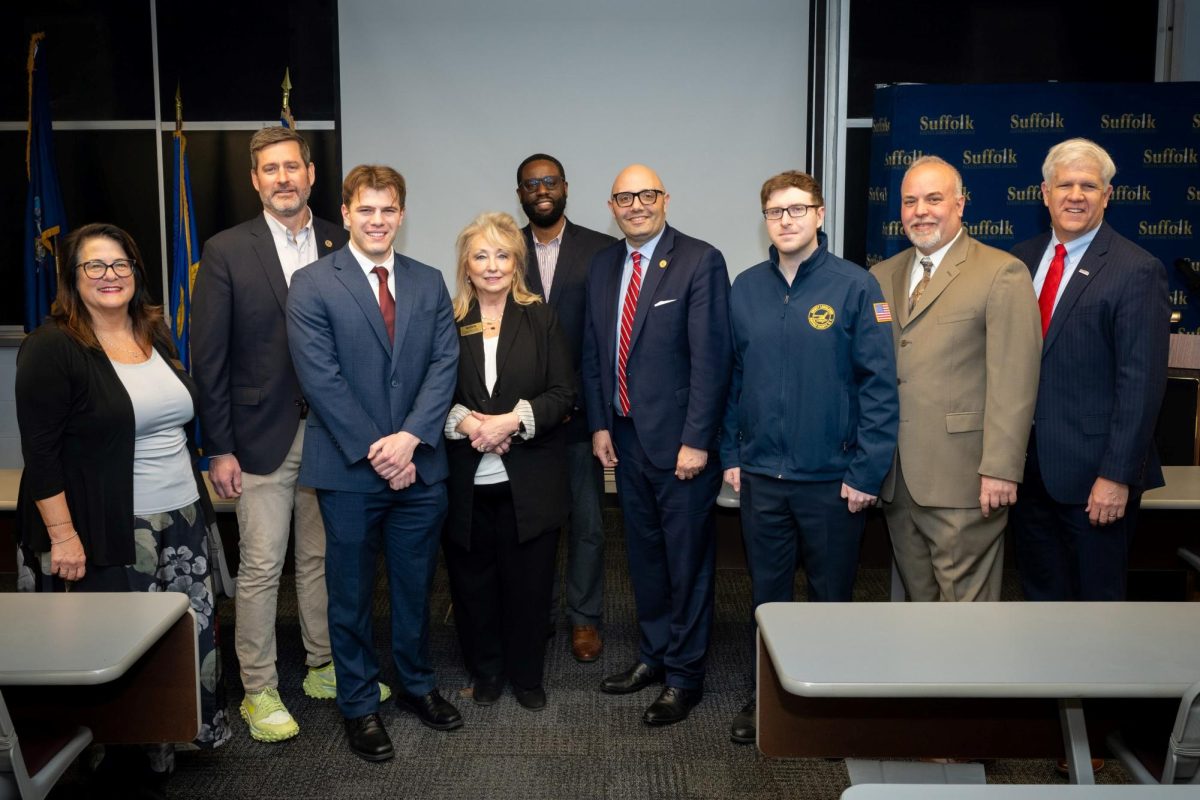
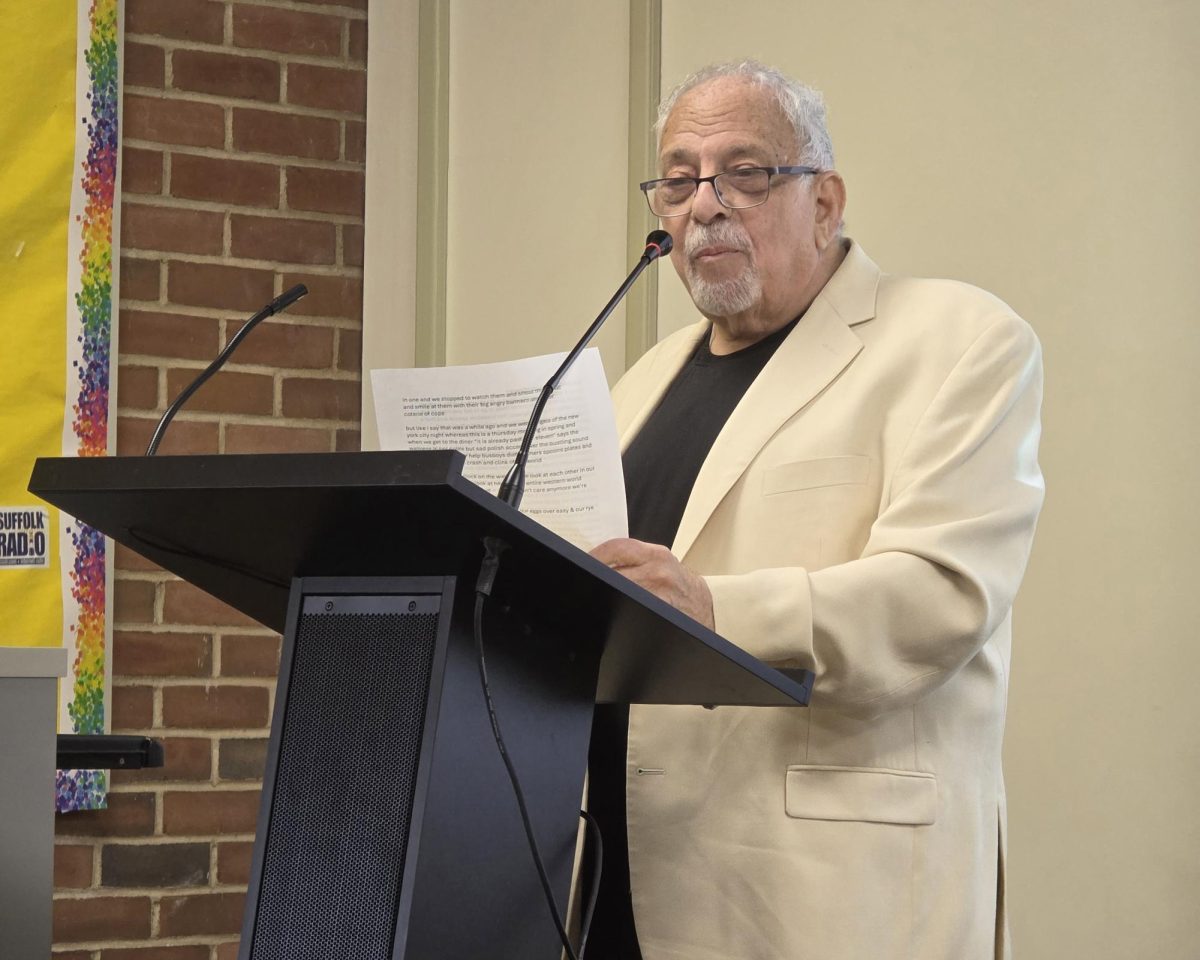
An estimated 70 to 80 visitors–including students from Longwood High School’s “My Brother’s Keeper” program–attended the event, which featured Pedro Sierra, who played in the Negro Leagues in the 1950s, and former New York Yankees All-Star and World Series champion Roy White. The two spoke in conjunction with clips from the documentary “The League,” chronicling the rich yet often overlooked history of Black baseball in America.
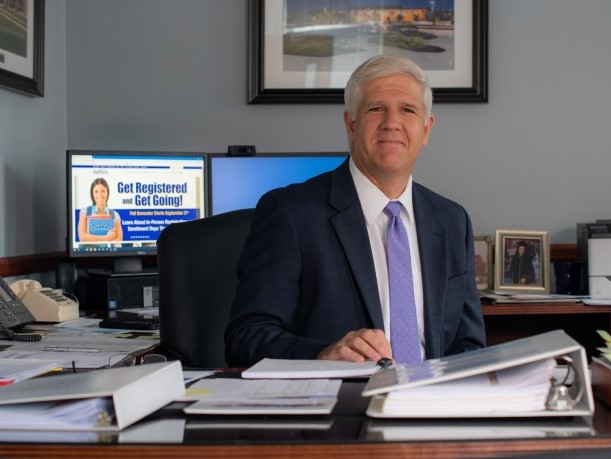
Fabio Montella, associate professor of library services on the Eastern campus and a local baseball historian, and Chris Vaccaro, president and executive director of the Suffolk County Sport Hall of Fame, were also panelists.
The event was organized through the Suffolk County Sports Hall of Fame in collaboration with Jill Santiago, director of the Center for Social Justice and Human Understanding, and Montella.
“I’ve been studying Negro Leagues for quite a while, and there are strong connections here on Long Island,” Montella said. “Teams barnstormed through the area and played some of our semi-professional teams.”
Throughout the discussion, the former athletes reflected on their personal experiences playing in the South–particularly during a time when racism and prejudice were running rampant.
White, who played for the Yankees from 1965-1979, recounted experiences such as receiving a lower signing bonus than his white peers to being denied service in a restaurant because of his skin color.
Speaking about the impact of the leagues, Montella said, “We talk about America’s fight for racial equality–well, this, in my opinion, started it. Jackie Robinson breaking the color barrier happened because of the work of these players in the Negro Leagues. And when Jackie Robinson broke the color barrier in 1947, that really got the ball rolling for the civil rights movement.”
Added Vaccaro about Sierra and White: “Their stories of perseverance and navigating segregation remind us why using sports as a lens for understanding our past is so powerful.”
When the discussion ended, audience members were invited to ask questions to the panelists.
Montella said he was pleased with the audience’s interest.
“They were very engaged, and I was very happy with that,” Montella said. “I just want them to have a little more empathy and more understanding of what past generations had to go through. I urge them to keep learning about this history and all histories associated with this, because it’s a powerful tool for us moving forward.”