



































Though I was bright and more than capable, I was a classic underachiever in high school. I always had jobs and I wrote and read regularly, but getting good grades just wasn’t a priority for me for some reason when I was a teenager. When I look back, especially as a high school teacher now, I cringe at some of the things to which I didn’t pay attention, but that is water under the bridge.
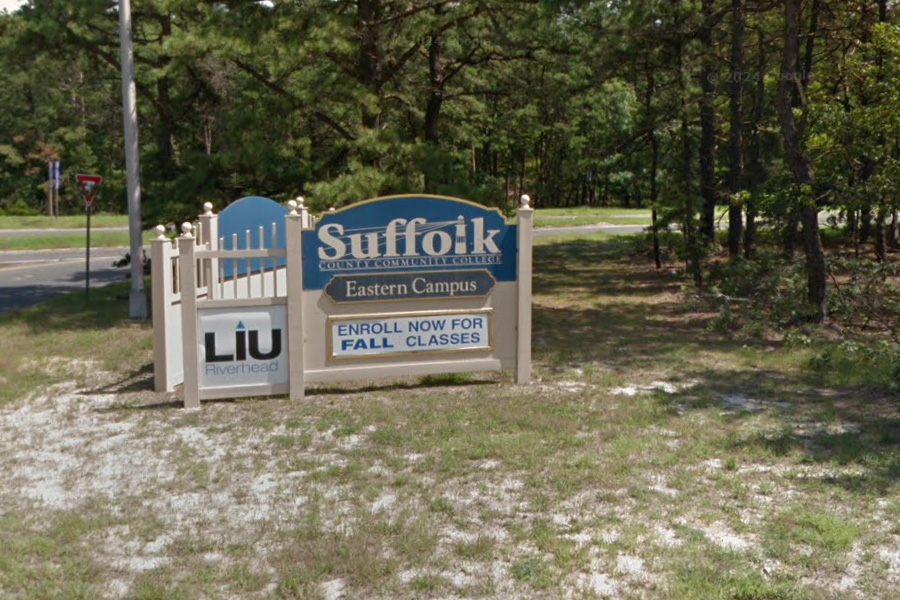
In the summer of 1992 when most of my friends were getting ready to head off to different universities, I registered at Suffolk Community College. I won’t sugarcoat this; I often referred to my first semesters there as my “dark year.” While I received letters that autumn from my friends describing keg parties and coeds and asking me when I could take a road trip upstate to visit, I was commuting to a school which a number of classmates called “13th grade.”
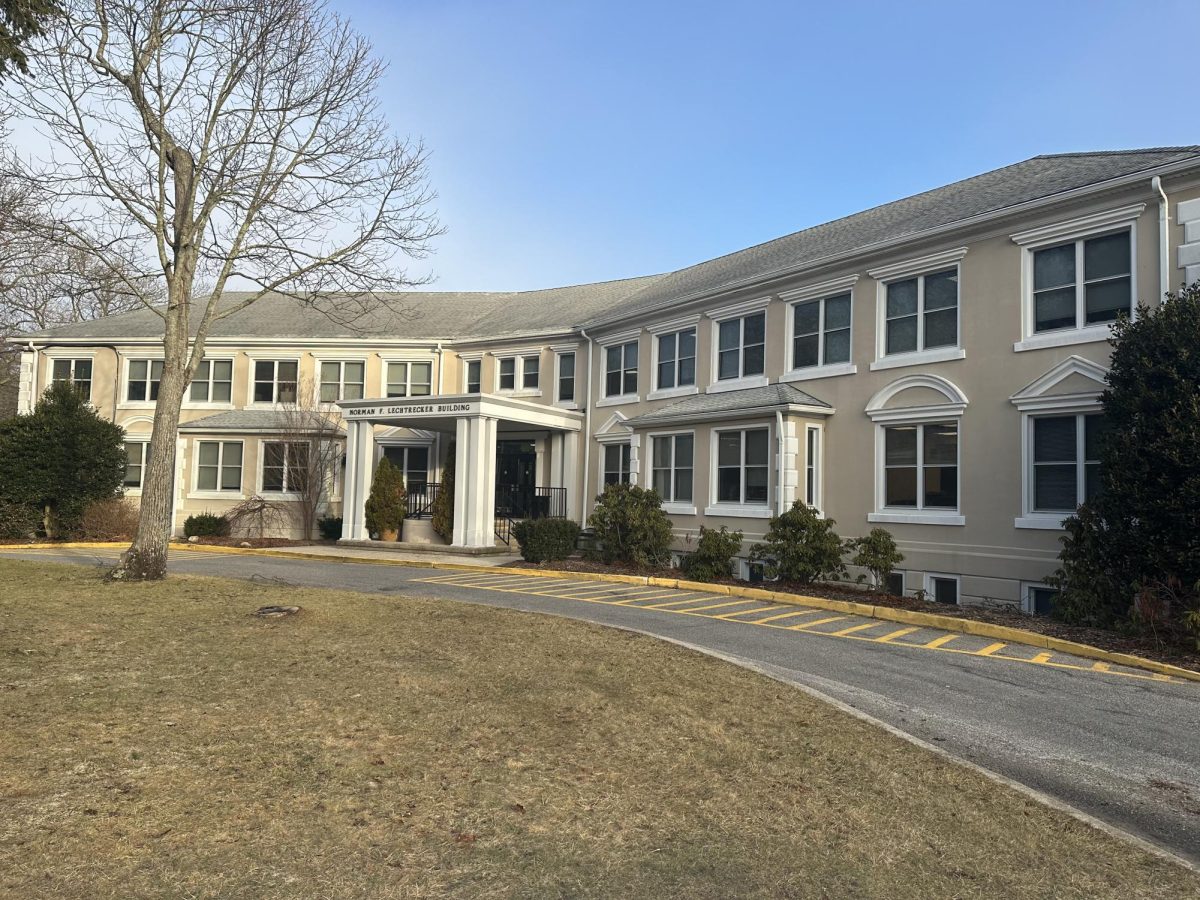
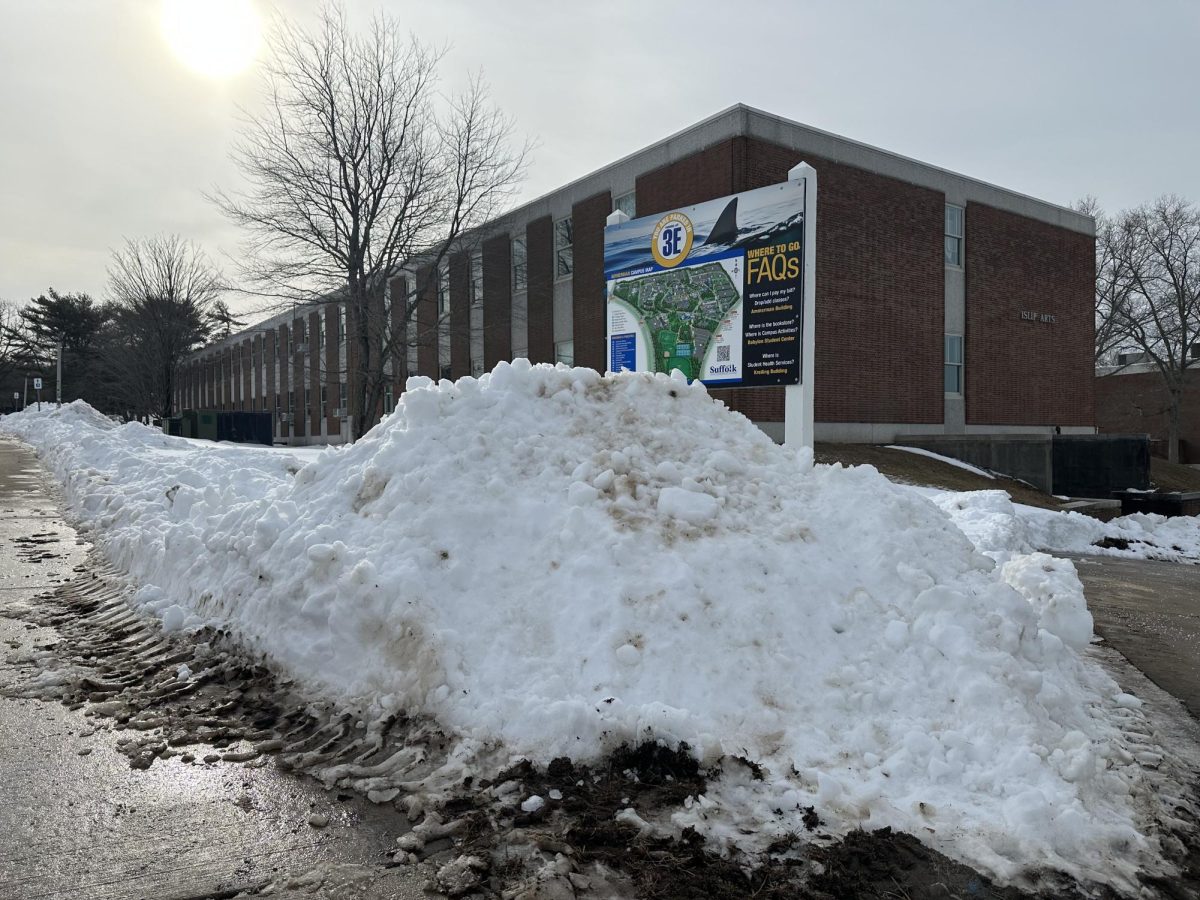
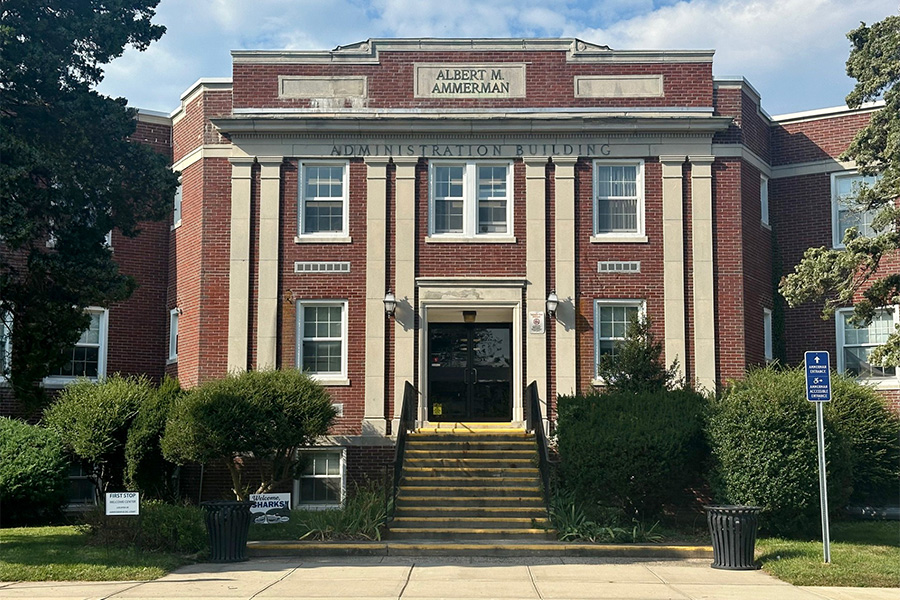
Just as I would do five years later when I taught in Brooklyn before landing a job at a preferred school in the suburbs, I paid my dues at Suffolk. I drove the twelve miles there each morning alone and killed time between classes with cups of coffee in the union and naps on the couch on the second floor of the library. The Ammerman campus, which was previously a tuberculosis sanatorium, felt barren and sterile when I first enrolled. I spent many cold mornings before class sitting on the concrete steps in the main square, my hands buried deep in my pockets.
It took a little while, but I grew to appreciate Suffolk. I began to use the library reference books instead of sleeping next to them and any resentment I harbored dissipated as I grew engrossed in a lot of my classes. I found direction at age 19 when I realized that getting paid to discuss literature would be a good gig. I earned my first post high school A in a memorable creative writing class and after a poetry reading one night on campus I realized what I should do with my life. I set a goal to earn an associate’s degree and then transfer to a SUNY school upstate to work towards becoming an English teacher.
I lived in my parents’ basement, attended classes during the day, and worked as a waiter at night and on weekends. Sure, my friends were experiencing the true away-from-home college life, but I was eating homemade meals, was able to wash my clothes without using quarters, and many nights I watched baseball on TV with my dad. Room and board was free as long as I was in school and had a job. My parents generously paid my tuition and I did the work. It was a simple deal and I had no reason to complain.
Some of my friends came back home after a year or two, having dropped out or failed out of their colleges. They were picking up the pieces and starting anew, not unlike what I did when I graduated high school. I was in different waters and on the ascent at Suffolk. I soon transferred and experienced two years of college life upstate at SUNY Oneonta after Suffolk. I prospered there and after student teaching earned my bachelors in English education.
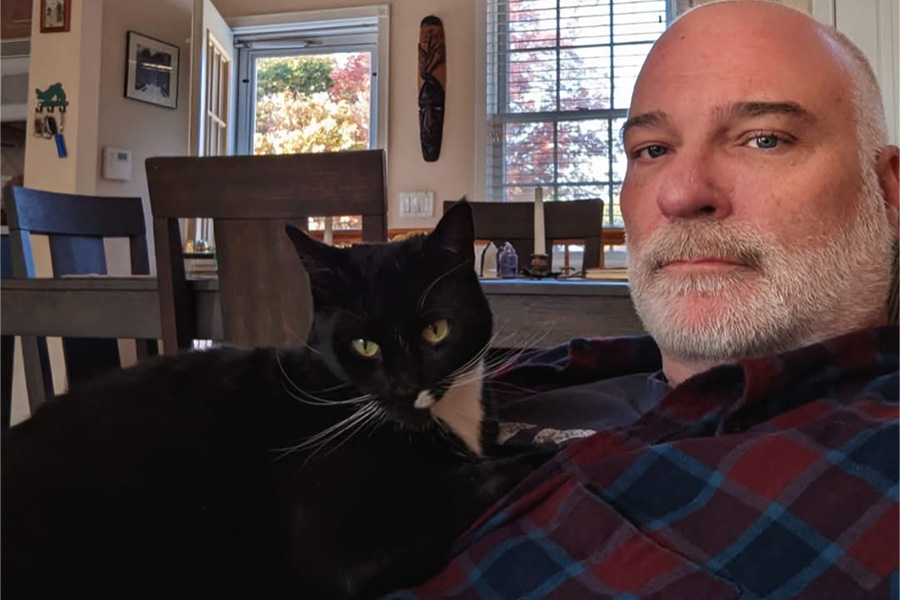
Suffolk was the stepping stone I needed and my future came into focus during my time there. I matured more there than any other time in my life and adapted an approach to the humanities that I still possess today. I physically changed, too; I grew my first beard while at Suffolk and my hair was shoulder length by the time I earned my associates degree. I left there a different person.
I never lied, but I never mentioned to colleagues early in my teaching career that I started at a community college because I knew many of them would judge. Today I have absolutely no regrets about going to Suffolk Community College and I proudly let any student who plans to go there for his first semester that he is making a wise move. Ease yourself into the water, I say, before you begin swimming.
Any misguidance I experienced or missteps I made as a naïve high school student were soon forgotten about and I used that water under the bridge to catch a stronger current in the new waters of Suffolk County Community College.
–Matt Kindelmann
Class of ’95