









































Whether it’s an athlete, a musician or a person close to them, everyone has an important figure to think about during Black History Month. These role models serve as reminders that everyone has the ability to achieve great things, and they motivate students to be the best versions of themselves.
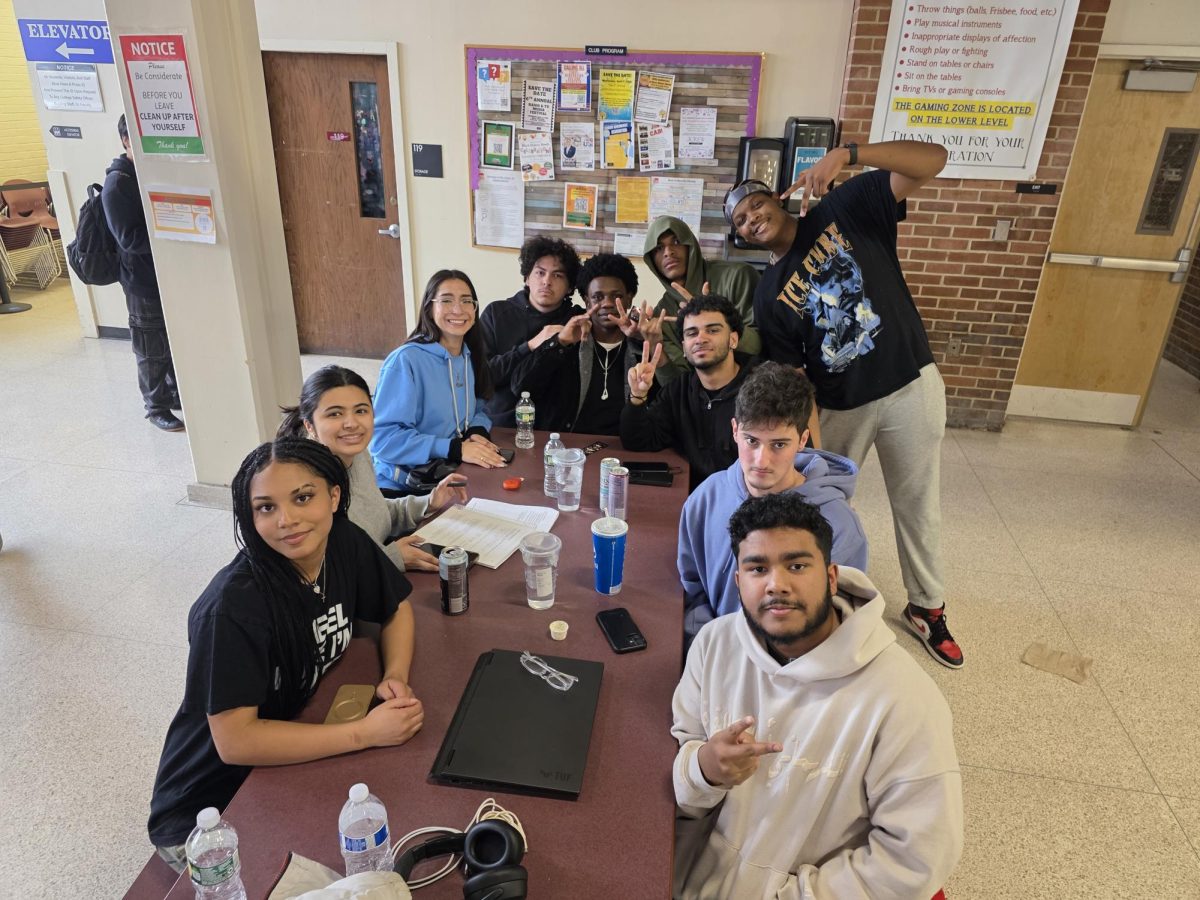
February marked the Black History Month centennial, and Suffolk County Community College celebrated with numerous events. On Feb. 18, the Ammerman campus held “Black History Month Celebration” in the Babylon Student Center cafeteria with festivities that had students and staff on their feet.
Students sang and danced to their favorite songs played by DJ Tone as laughter and chatter echoed through the cafeteria. Many students had their faces painted, and they posed in a 360-degree photo booth. The event also featured a craft corner and various giveaways.
Voices of Inspiration: From Icons to Family
At the same time, students took the opportunity to recall a specific person, moment or memory they associate with Black History Month.
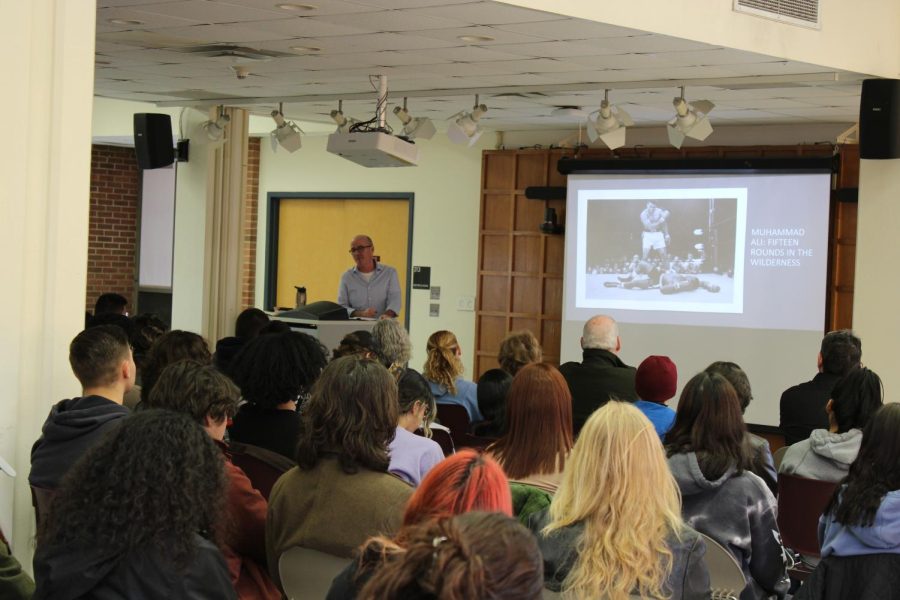
“Muhammad Ali,” Jalen Walthour, a liberal arts major. “He’s one of the people I look up to… he inspires me to be great like him.” Walthour added, “If you want to be the best, you have to put in the extra work.”
Another student pointed to Jackie Robinson as an example of someone who persevered despite adversity.
Others, like Adriana Rando, referenced the importance of musical and personal influences. Aside from Method Man of the Wu-Tang Clan — she attended the group’s concert in July and recommended the song “Triumph” — Rando cited someone closer to home.
“The way my mom grew up and everything,” she said. “I’m just always trying to do better and be better. That’s really my motivation.”
A Legacy Rooted in 1926
Black History Month traces back to 1926, when historian Carter G. Woodson and the Association for the Study of Negro Life and History — now the Association for the Study of African American Life and History — created “Negro History Week” to celebrate African American contributions to American history. Woodson believed it was essential to educate people about Black history to promote equality and combat racism.
The week was initially established for the second week of February to honor the birthdays of Frederick Douglass, who escaped slavery to become a powerful abolitionist and writer, and Abraham Lincoln, the 16th president of the United States, who issued the Emancipation Proclamation.
In 1976, during the United States’ bicentennial, Black History Month was officially recognized nationwide — a reminder of resilience, achievements and the long-lasting impact of Black Americans.
Bridging the ‘Disconnect’ Through Education
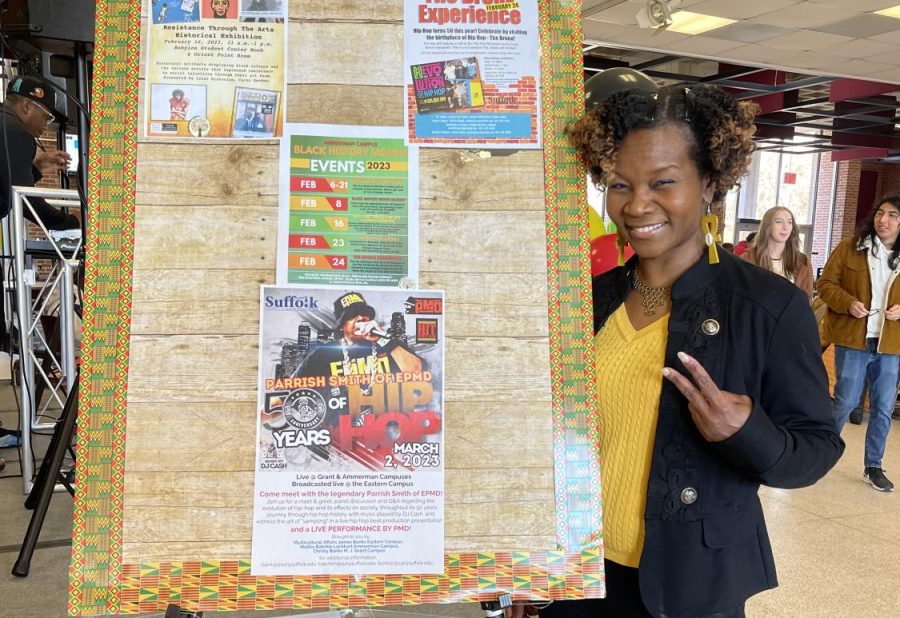
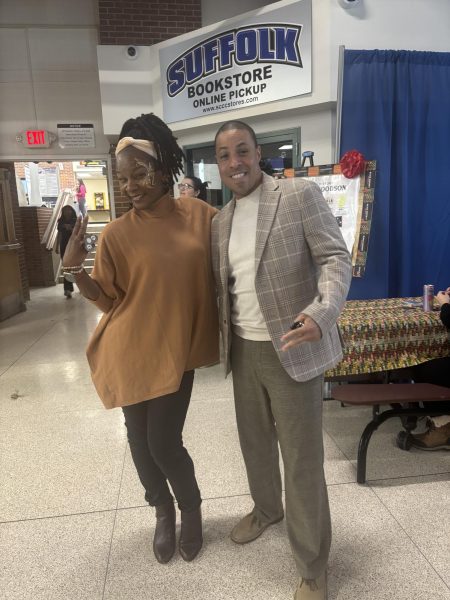
“Black history is American history,” said Malika Batchie-Lockhart, Ammerman’s assistant director of campus activities and multicultural affairs and the organizer of the event. “Our ancestors are walking history. If we don’t take a moment to stop and read or talk to people, then we’re not learning enough and the knowledge stops.”
Batchie-Lockhart said it is imperative that students continue to educate themselves to ensure that important stories are told and voices are heard.
“There seems to be a disconnect in history,” she said. “How do you know who came before you or how to celebrate and be appreciative?”
Edward Martinez, associate dean of student affairs, also attended the Feb. 18 event. “We need to celebrate; there’s a lot of darkness in the world right now,” he said. “If there’s a moment to celebrate, you should always take advantage.”
Batchie-Lockhart added: “Be kind to one another, let’s have peace for one another and connect. The time is now.”