


































A sharp increase in building-related safety incidents at Suffolk County Community College’s Ammerman campus has raised concerns about aging infrastructure, communication practices, and frequent disruptions to campus life.
According to a public records request, 152 safety and facility-related incidents were reported on the Ammerman campus between January 2022 and November 2025.
While incident totals declined steadily from 2022 through 2024, reports spiked dramatically in 2025. Through mid-November 2025, 79 incidents were recorded—more than triple the total from the previous year. Fire alarms accounted for 131 of the 152 incidents, representing nearly 86% of all reports. Other incidents included 14 “on-site condition” reports, three gas leaks, three fire alarm system trouble alerts and one power outage.
The Impact of Aging Infrastructure
The rise in reported incidents comes as the college continues to operate largely within buildings constructed decades ago. Frequent fire alarms and environmental issues have disrupted classes and delayed instruction.
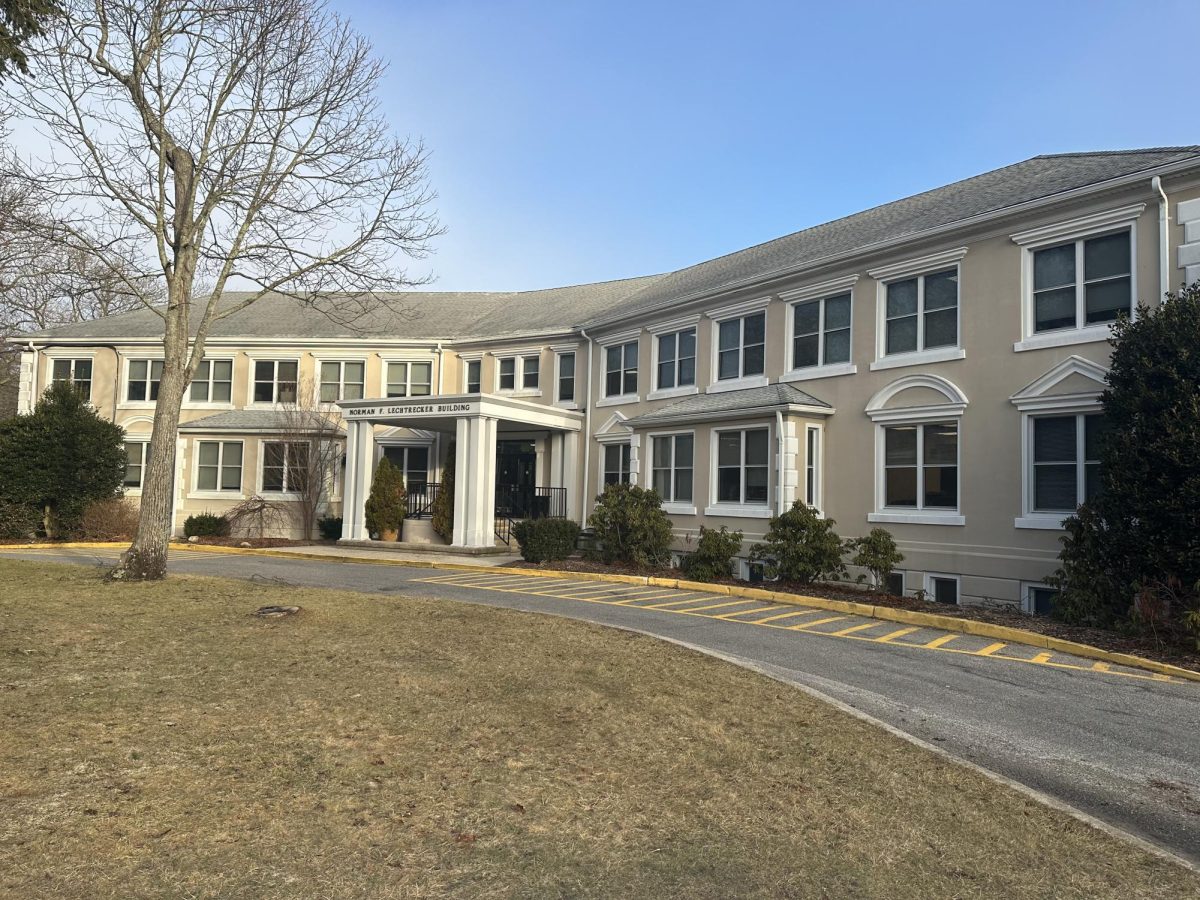
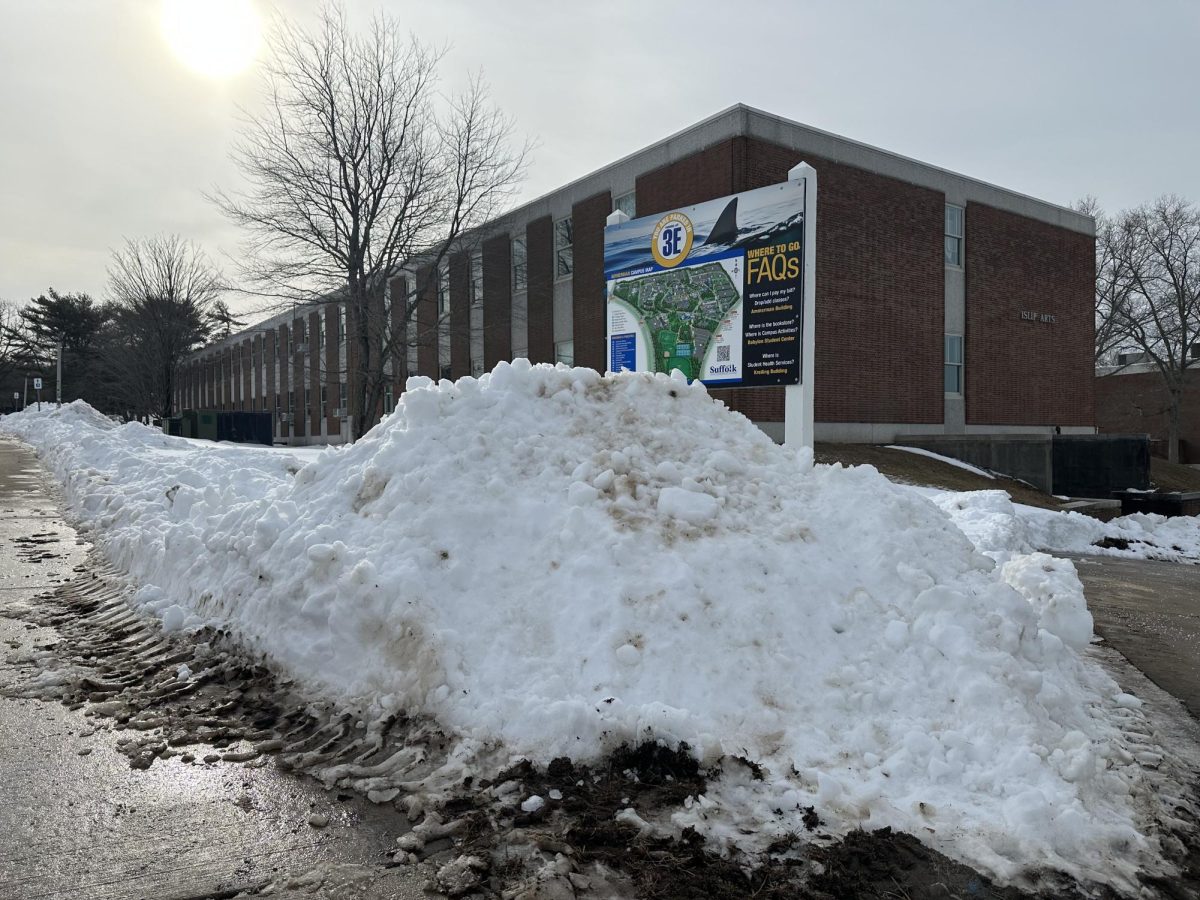
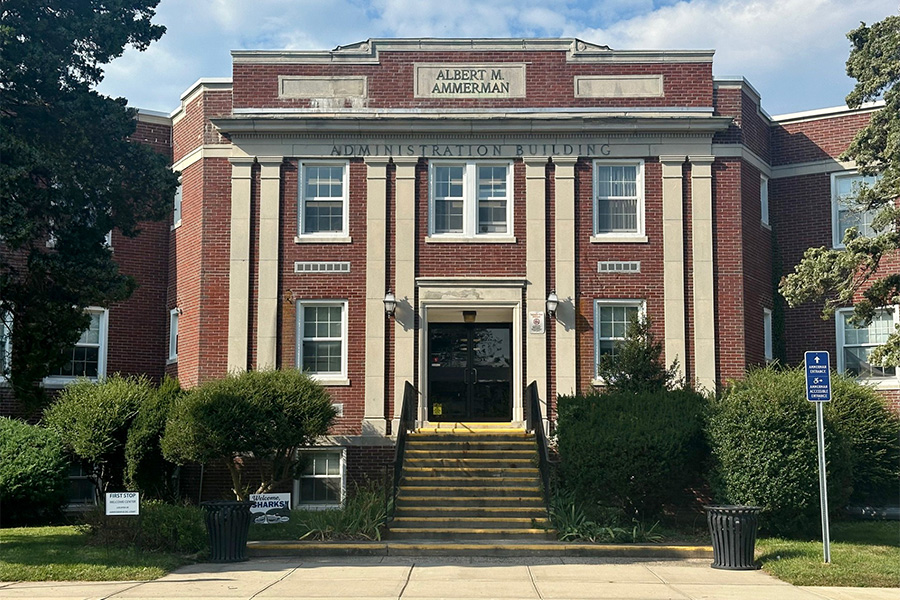
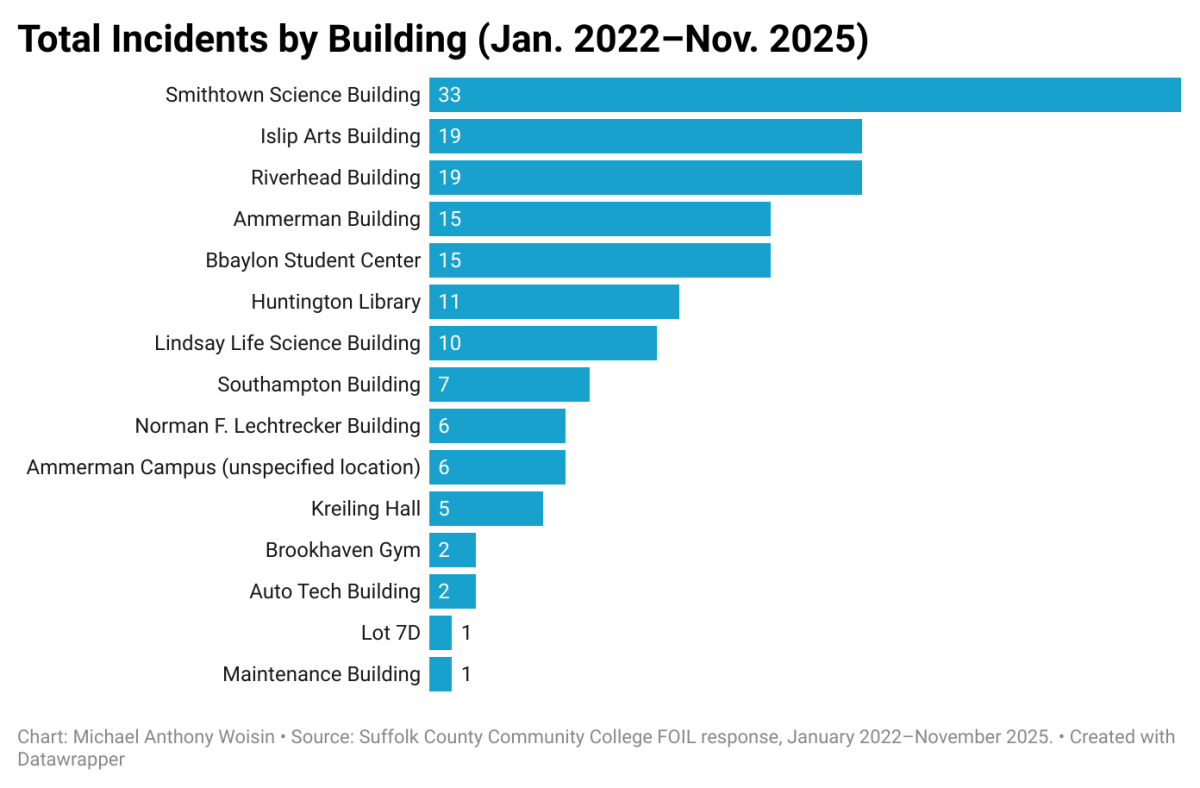
Incident data shows that several buildings accounted for a disproportionate share of reports. The Smithtown Sciences Building recorded the highest number of incidents at 33, followed by the Islip Arts Building and Riverhead Building with 19 incidents each. The Ammerman Building recorded 15 during the same period. Together, these four locations account for more than half of all reported incidents.
Student Experiences
For students, safety incidents range from minor inconveniences to full class disruptions. Luke Bartolomei, 18, a radio and television production major from Smithtown, arrived on campus last semester during a power outage that led to class cancellations.
“For a bit, the students were sort of left to fend for themselves,” Bartolomei said. “People didn’t really know what was happening until a text finally went out.”
Other students reported more positive experiences. Miguel Bryen, 18, a general studies major from Selden, said alerts during his first semester have been timely. “They reach out everywhere—automated texts, calls, and emails through Outlook,” Bryen said.
However, Kimberly Chavez, 18, a human services major from Brentwood, expressed concern over the frequency of the issues. “Older buildings especially need attention to prevent these problems from happening so often,” Chavez said.
Faculty Concerns
Raymond J. DiSanza, assistant academic chair of English at Ammerman, said faculty most often encounter HVAC failures and water leaks.
“The HVAC systems are older and difficult to maintain,” DiSanza said. “They don’t always heat or cool evenly throughout the buildings, and the systems struggle to switch back and forth with unseasonable weather.”
DiSanza cited multiple leaks in the Islip Arts Building this academic year, as well as recurring flooding in basements, noting the Southampton Building is the most prone.
Public Safety and Plant Operations Silence
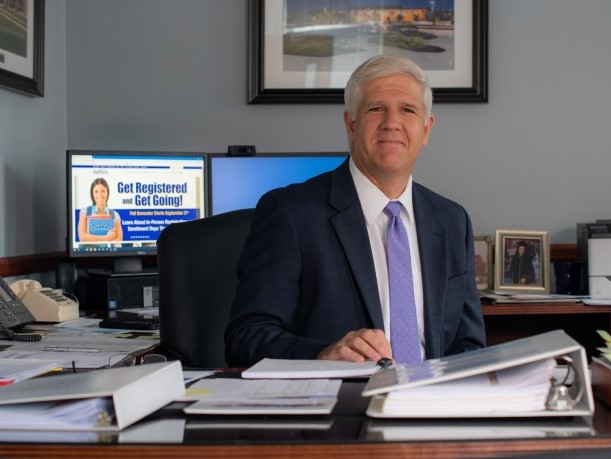
Edward Martinez, campus associate dean of student affairs, said the administration regularly reviews facility trends. He pointed to several possible factors behind the 2025 increase, including heavier campus use, aging buildings, weather-related impacts, and improved reporting.
However, the offices responsible for maintaining these systems remained silent. Multiple attempts were made to contact Plant Operations and Building Maintenance Manager Thomas Allen, and Director of Fire and Public Safety Baycan Fideli. Those requests were not returned.
“We recognize that these disruptions can impact both learning and well-being,” Martinez said. “At the same time, safety always comes first.”